On a sunny afternoon, bursts of laughter mingle with the crack of paddles as friends sweat it out on a three-sided court—this isn't traditional tennis, nor is it squash. It's the Padel Court, a sport that has taken the world by storm in recent years.
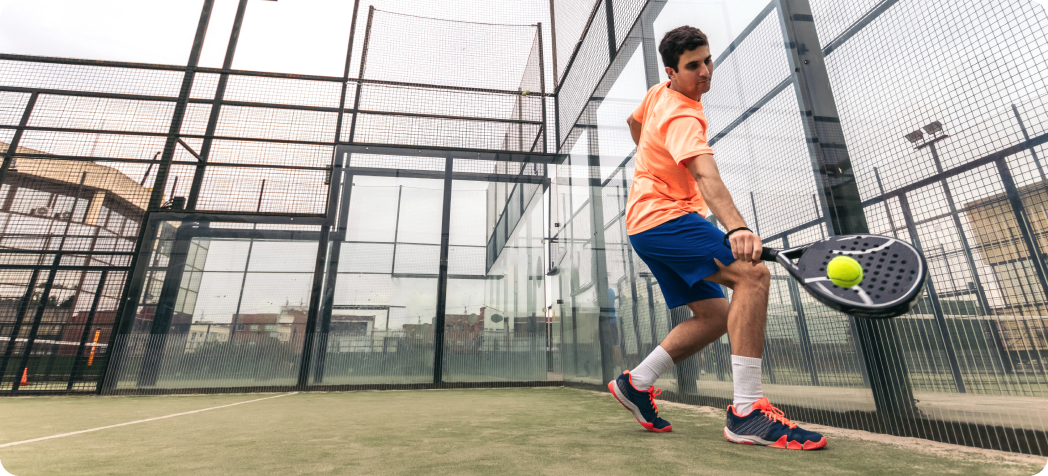
What is a Padel Court?
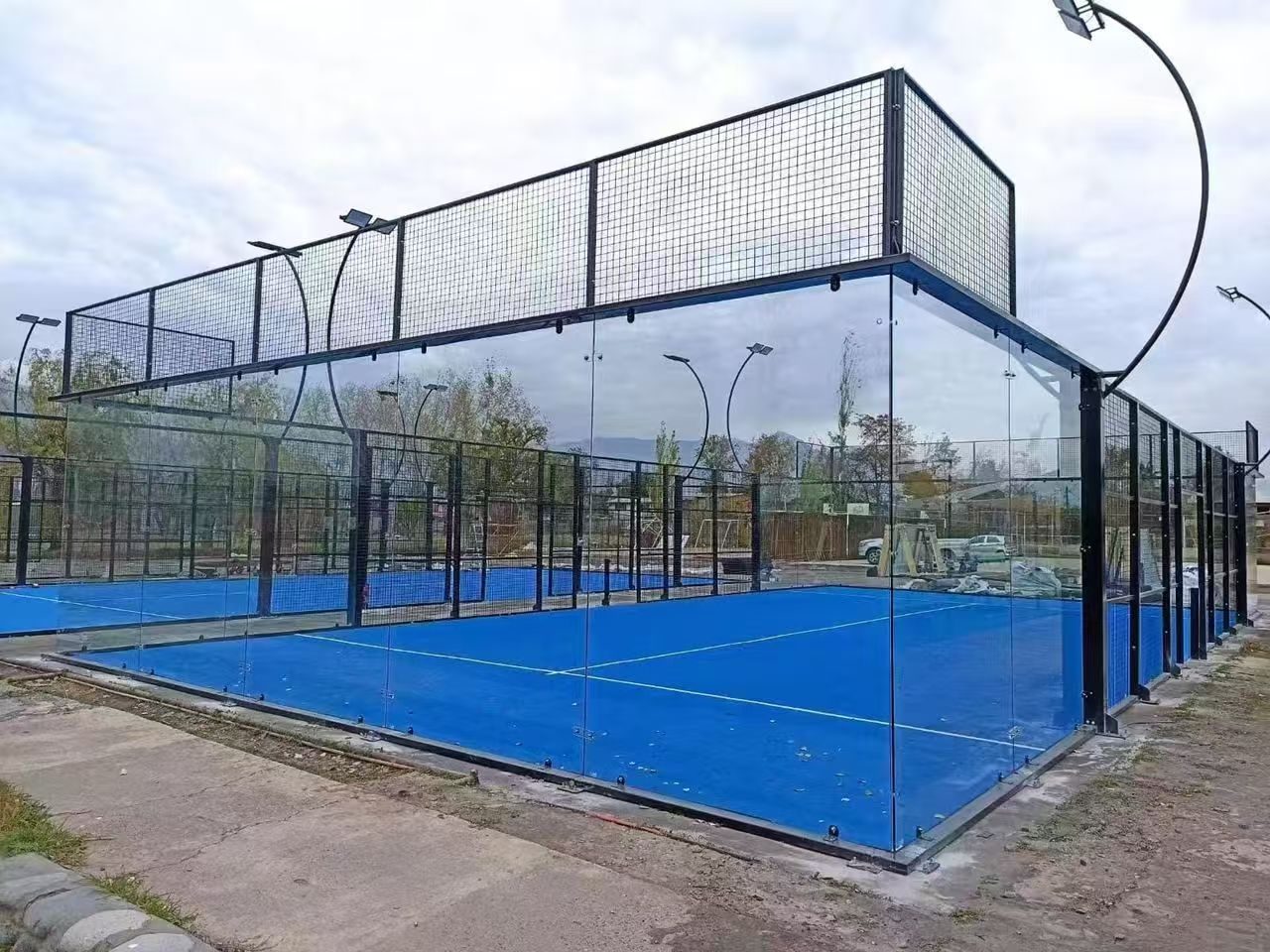
A Padel Court is a sports venue combining elements of tennis and squash. Measuring approximately 20 meters long and 10 meters wide, it is one-third smaller than a traditional tennis court. The court is enclosed by 3-meter-high transparent glass walls and metal netting, with surfaces typically made of artificial turf or resin materials. This unique design allows the ball to bounce off the walls, significantly enhancing gameplay excitement and extending continuous play time.
Why Has Padel Taken the World by Storm?
Spain & Argentina: National Pastimes
Originating in Mexico, padel reached its zenith in Spain and Argentina. In Spain, it ranks as the second most popular sport after soccer, with over 20,000 courts nationwide. Argentina boasts the world's highest per capita court density, with padel courts visible on nearly every street corner.
Europe's Explosive Growth
Countries like Sweden, Italy, and France see annual player growth exceeding 30%. Even British royalty have become devoted fans. High-end clubs coexist with public courts, transforming padel into a new urban social landmark.
Emerging Markets in the Middle East & Asia
In the Middle East, nations like the UAE and Qatar embrace padel as a luxury lifestyle, with luxury hotels and private clubs rapidly building courts. In recent years, China's first-tier cities like Shanghai, Beijing, and Shenzhen have quietly embraced the padel craze, making it a new athletic choice for urban elites and youth.
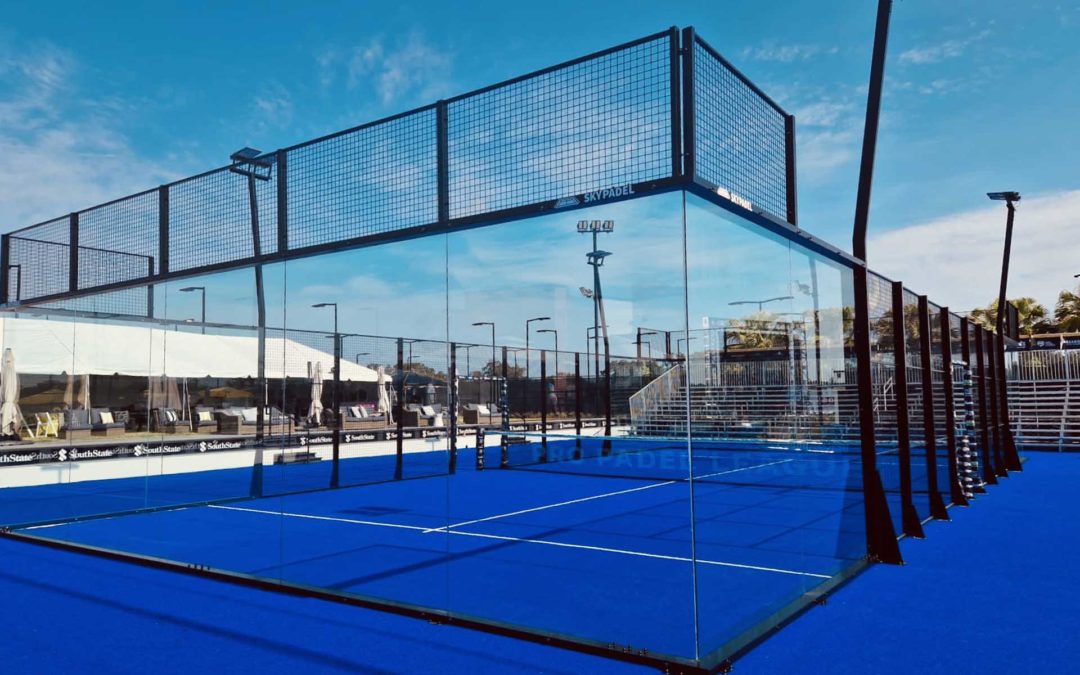
Padel's appeal lies in its low barrier to entry and high entertainment value. Compared to traditional tennis, padel rackets lack strings and are made of foam material, while the ball is slightly smaller and less elastic. This results in slower ball speeds and longer rallies, allowing even beginners to quickly grasp the game and enjoy the thrill of play.
Originating in Mexico in 1969, padel has since become a national sport in countries like Spain and Argentina, rapidly spreading worldwide. Statistics show over 25 million padel enthusiasts globally, with court construction experiencing explosive annual growth.
The Social Appeal of Padel Courts
Padel transcends being merely a sport; it's a social experience. Doubles is the primary format, with four players on court ensuring both physical activity and ample opportunities for interaction. Many padel courts feature surrounding leisure areas, cafes, and terraces, making them a new choice for urbanites seeking athletic recreation and business networking.
Low Barrier, High Fun: Rackets lack strings (made of solid foam), balls travel slower and are easier to control, making it suitable for all ages and genders. Even beginners can enjoy exciting rallies.
Trendy Lifestyle: Transparent court designs exude futuristic tech appeal, blending athletic functionality with photo-worthy aesthetics that drive viral social media sharing.
Investment and Wellness Win-Win
As the padel craze sweeps the globe, padel courts have emerged as a hot investment opportunity. Compared to traditional tennis courts, padel courts require less space and lower construction costs, yet boast high usage rates and substantial returns.
From a health perspective, padel is a full-body aerobic workout that enhances cardiovascular fitness, builds muscle strength, and improves coordination. Its engaging nature also makes it easier to stick with the exercise routine.
Summary
Padel Court embodies a modern lifestyle—seamlessly blending sports, socializing, and leisure. Whether you're a sports enthusiast, social butterfly, or investor, this globally trending sport deserves your attention. Step onto a padel court and gain not only physical fitness but endless laughter and lasting friendships. Let us anticipate padel's dazzling rise across the globe, igniting a wildfire of passion.


